Smoke & fire testing · Spokane

Smoke & Fire Testing

After a fire, the damaged area is not always the area that burned. SafeNest investigates smoke residue, char, soot, and odor concerns to help define the affected spaces and check completed restoration work.

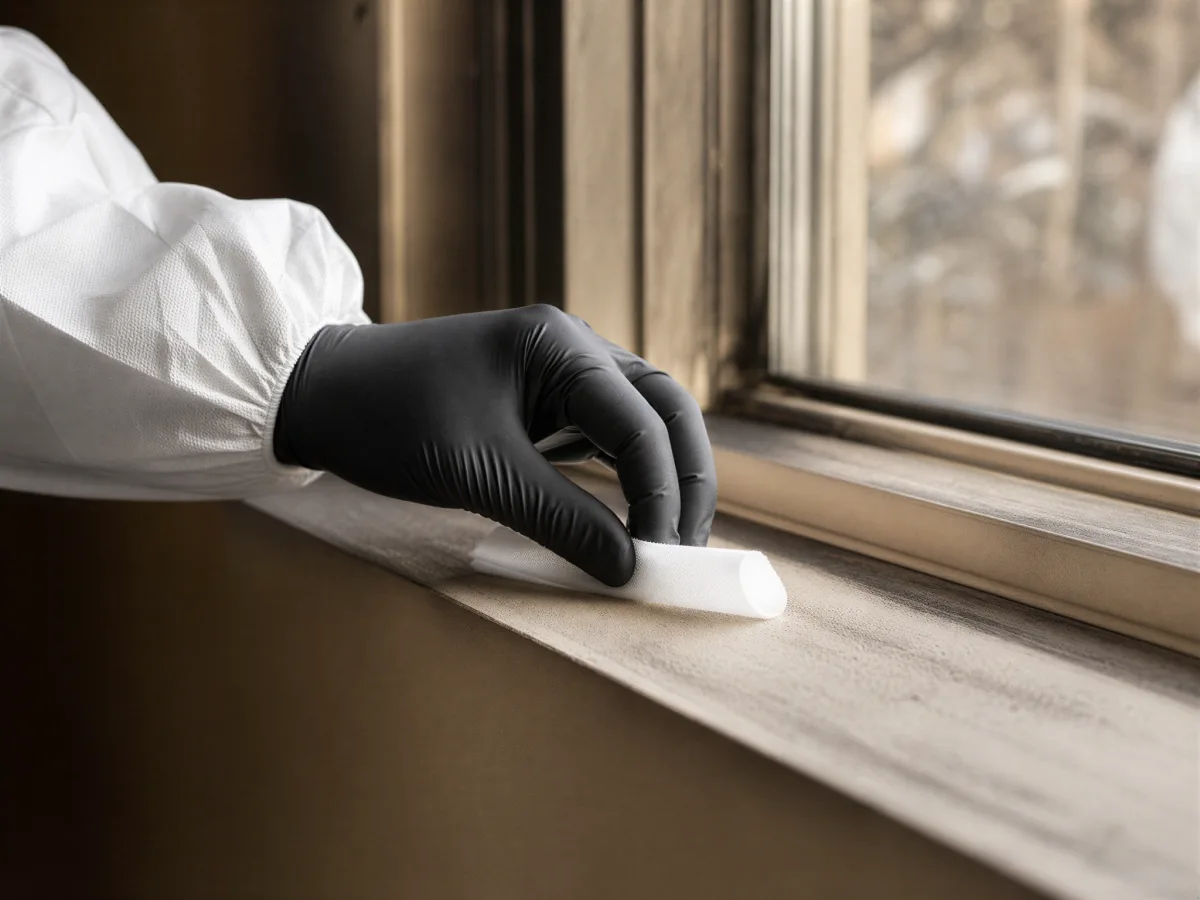
Technician collecting a smoke residue sample from a windowsill

What areas did the fire affect?

The visible damage is only the starting point.

Close to the source, burned materials and heavy residue may make the damage obvious. Farther away, it can be much harder to judge where fire-related contamination ends.

Smoke can move through doorways and building systems into rooms that the flames never reached. Fine particles can settle on surfaces at a distance, while porous materials can retain odors. A wall that looks ordinary may raise a different question from a visibly blackened surface. Appearance alone does not give the project a reliable boundary.

SafeNest reviews the fire history and inspects the areas of concern before selecting samples. We use the findings to help distinguish affected areas from areas where the evidence does not support the same conclusion. That gives the cleanup discussion a documented basis rather than relying entirely on a visual estimate.

This matters when owners, insurers, and restoration contractors disagree about the extent of the damage. SafeNest can act as an independent third-party consultant, providing the same inspection and laboratory record for everyone involved. We do not sell the restoration work, so our findings do not come with a proposal to perform the cleanup.

How the testing works

Start with the simplest useful method.

Different methods answer different questions. We begin with the inspection and use more specialized testing when the conditions justify it, rather than giving every fire project the same panel.

Visual inspection and surface screening

We look at the visible damage, the spaces surrounding it, and the surfaces where residue or odor remains a concern. A chem sponge, also called a dry sponge, can help screen those surfaces. Made from vulcanized natural rubber, it picks up particles when wiped across a surface and makes the buildup easier to see.

Dark discoloration can be a reason to investigate combustion residue, while lighter material may be ordinary household dust. The color is a screening observation, not a laboratory identification. Fireplaces, candles, and cigarette smoke can also leave combustion particles, so a sponge cannot tell us which event produced the residue.

Tape samples for char and wipe samples for soot

A tape-lift sample lets a laboratory examine particles using microscopy and look for char, the larger material left by incomplete burning. That is often a useful first laboratory step when the question is whether combustion residue reached a particular surface.

Soot consists of finer particles and may need a different collection method. A wipe sample can be used for soot analysis, including when the char findings do not resolve the question. We choose the next method according to the remaining uncertainty, rather than treating one sample as an answer for the entire property.

Chemical residues and fire-related odors

The materials involved in a fire also matter. Plastics and other synthetic materials can contribute to complex residues, and some projects call for analysis of compounds such as dioxins, furans, or polycyclic aromatic hydrocarbons (PAHs). These compounds are not all volatile; non-volatile and semi-volatile residues may be investigated on surfaces.

This is more specialized work than screening a surface or identifying char. We discuss which chemical question the project needs to answer before recommending that scope. A result about char or soot is not a measurement of every chemical that a fire could produce.

Odor concerns may call for a separate panel of compounds associated with smoke odors. The fire history, affected materials, and cleaning records help shape that plan. This can add evidence when a property owner still notices an odor but the contractor considers restoration complete.
After restoration

Check the work before access disappears.

A post-restoration assessment starts with a defined question: which areas were cleaned, what concern remains, and what evidence would help evaluate the result?

Tell us what work the contractor performed and share the cleanup scope or other project records. We can discuss a follow-up inspection and samples for the agreed areas. Where practical, plan the check before replacement finishes or returned contents cover the surfaces that need evaluation.

There is an important difference between documenting the result of cleanup and declaring a whole property safe. Our inspection and samples describe the conditions within the agreed scope at that time. They do not measure every possible exposure or provide a blanket guarantee about the building.

The findings can help you and the project team decide whether further cleaning, investigation, or professional advice is needed. They also give you an independent record to discuss when there is a dispute about whether the restoration addressed the original concern.

What you receive

A report that explains the evidence.

The laboratory findings are one part of the assessment. We explain them alongside the fire history, the inspection, and the locations where the samples were collected.

The report records the areas we inspected, the sampling methods, and the result associated with each sampled location. It distinguishes observations made on site from findings made by the laboratory. We explain why a method was chosen and what its result can and cannot establish.

You can use that record when discussing the affected area, a restoration scope, or completed work with an insurer or contractor. Each party can see which findings came from which room or material, rather than working from different impressions of the damage.

If the findings leave a question unresolved, we explain what additional information could help answer it. That may mean reviewing cleanup records, investigating another area, or considering a different sampling method. Any further work starts with that question, not a longer list of tests without a purpose.

Questions about fire testing

Common questions.

Why test beyond the visible damage?

Smoke can travel into adjacent rooms and through building systems, leaving fine particles or odors outside the visibly burned area. An inspection and targeted samples help assess those spaces. The aim is to define the affected area from the evidence, without assuming that appearance tells the entire story.

How do the tests differ?

A chem sponge screens for particle buildup but does not identify its source. Tape-lift samples can be examined for char, while wipe samples can be used for soot analysis. Chemical-residue and odor testing answer different questions again. We select methods according to the fire history and what the project still needs to learn.

Can testing help define the affected areas?

Yes. Sampling adds evidence about the surfaces and spaces included in the investigation, alongside the visual inspection and fire history. Those findings help the project team decide where cleanup is warranted and which areas need a closer look.

Can SafeNest help with a dispute about the cleanup?

Yes. We can provide an independent assessment when an owner, insurer, or restoration contractor questions the damage or the completed work. The report gives each party the same inspection and laboratory record to discuss.

Can testing tell me a space is safe to go back into?

Not on its own. Testing provides evidence to consider with advice from the project team and the authorities responsible for remaining hazards. The post-restoration section explains how the assessment supports that decision and where its limits lie.

Can SafeNest investigate a smoke odor?

Yes. We can discuss testing for a panel of compounds associated with smoke odors when it fits the concern. Tell us where and when the odor is noticeable, what happened during the fire, and what cleaning is complete. That history helps us plan the assessment and explain the results in context.

When should testing happen after restoration?

Define the follow-up scope before the restoration reaches its final stages. The assessment usually follows the agreed cleaning work and should happen before new finishes or contents prevent access to the areas in question. Share the contractor's scope so we can discuss the timing and the surfaces to check.

What does the report include?

The report records the inspection scope, sample locations, methods, and laboratory findings, with a plain-language explanation. It connects the results to the fire history and the conditions we observed. It also states the limits of the assessment and any questions that need further attention.

August 2026 Spokane-area fires

Find local recovery resources.

The local guide starts with official resources. It also explains SafeNest’s role in post-fire testing.

Open the Spokane fire recovery guide

Discuss a fire or smoke concern.

Tell us about the fire, the spaces that concern you, and the restoration work completed so far. We will discuss what the assessment needs to answer.

Call SafeNest · (509) 720-0190